Bitcoin (BTC) Gains Buying Support, But Data Shows Professional Traders Are Skeptical of a Rally Above $92,000
Bitcoin faced rejection at the upper end of its short-term range, driven by macroeconomic uncertainty, liquidations, and a pause in spot ETF fund flows. Can clearer signals from the U.S. economy boost Bitcoin trading volume?

Key Points:
Economic uncertainty, delayed jobs reports, and a softening real estate market have caused traders to withdraw from Bitcoin.
Professional traders are bearing high costs to hedge against a potential Bitcoin price drop, while in China, stablecoins are being sold at a discount to exit the crypto market.
Bitcoin experienced a $2,650 pullback on Monday after failing to break above $92,250. This movement followed a reversal in U.S. stocks amid uncertainty in the job market and growing unease over overvalued AI investments.
Traders are now awaiting the U.S. Federal Reserve's (Fed) monetary policy decision on Wednesday, but the likelihood of a swift return to $100,000 depends on risk sentiment.
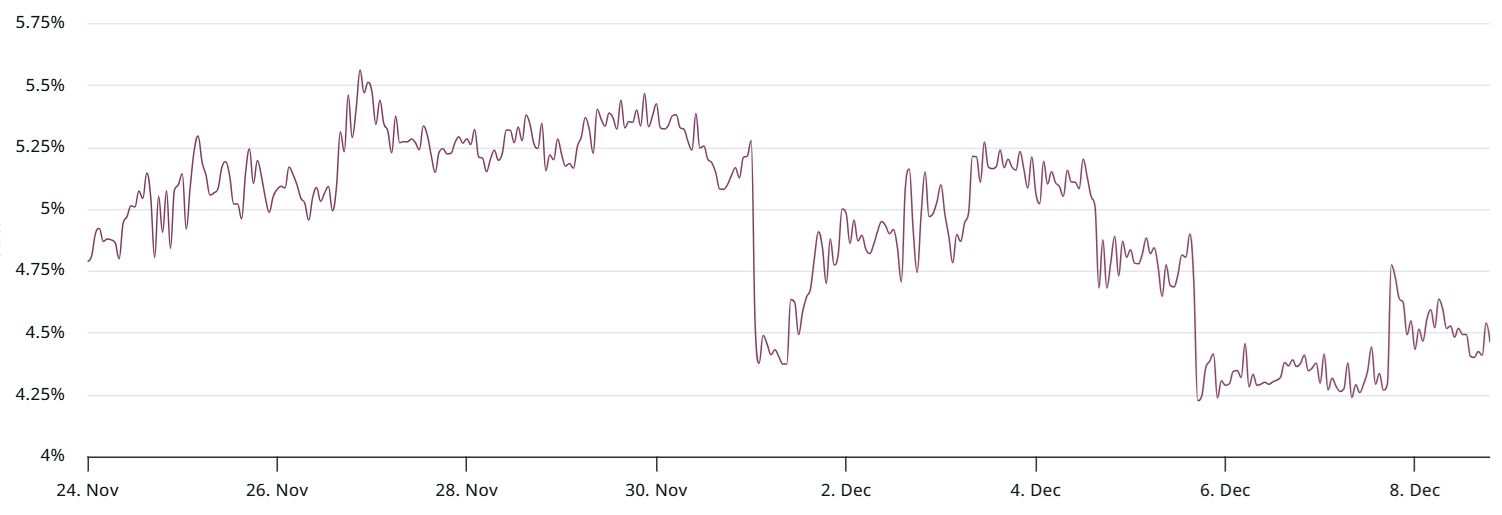
The premium (basis rate) of Bitcoin monthly futures relative to the spot price has remained below a neutral 5% threshold over the past two weeks. The weak demand for bullish leverage reflects Bitcoin's 28% decline since its all-time high in October. However, concerns about global economic growth are also affecting market sentiment.
Due to a 43-day government funding pause that only ended in November, official U.S. data on employment and inflation has been delayed, reducing visibility into the economic situation. Therefore, the consensus for a 0.25% rate cut in December is insufficient to spark optimism, especially after a private jobs report showed 71,321 layoffs in November.
Additional pressure is accumulating from the U.S. real estate market: Redfin data shows that 15% of home purchase agreements were canceled in October due to high housing costs and rising economic uncertainty. Additionally, according to CNBC, housing inventory increased 38% in October 2024 compared to the previous year, while the median listing price in November fell 0.4% year-over-year.
Bitcoin (BTC) Underperforms Stocks, Releasing Risk-Off Signals
After the forced liquidation of $92 million in bullish Bitcoin futures leverage, the speed of Bitcoin's decline to $90,000 accelerated. A weak macroeconomic outlook may be putting pressure on Bitcoin trader sentiment, but the S&P 500 is only 1.2% below its all-time high of 6,920 points.
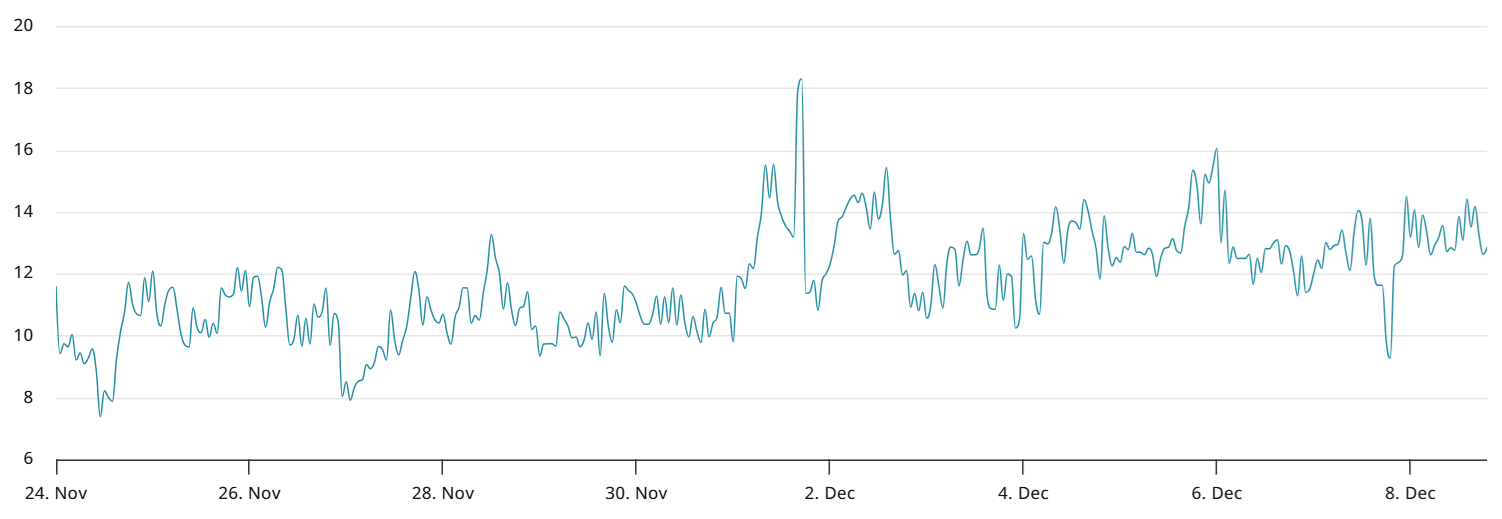
Whales and market makers are demanding a 13% premium to sell Bitcoin put options on Deribit. The swelling cost of downside protection is a typical feature of the put market. However, Monday's rejection at $92,000 did not impact traders' positions, reinforcing the $90,000 support level.
Traders are also exiting the crypto market in China, as stablecoin trading against local currency occurs below par. This risk-off signal supports the short-term bearish outlook for Bitcoin, but it does not necessarily mean traders expect the price to fall to $85,000 or lower.
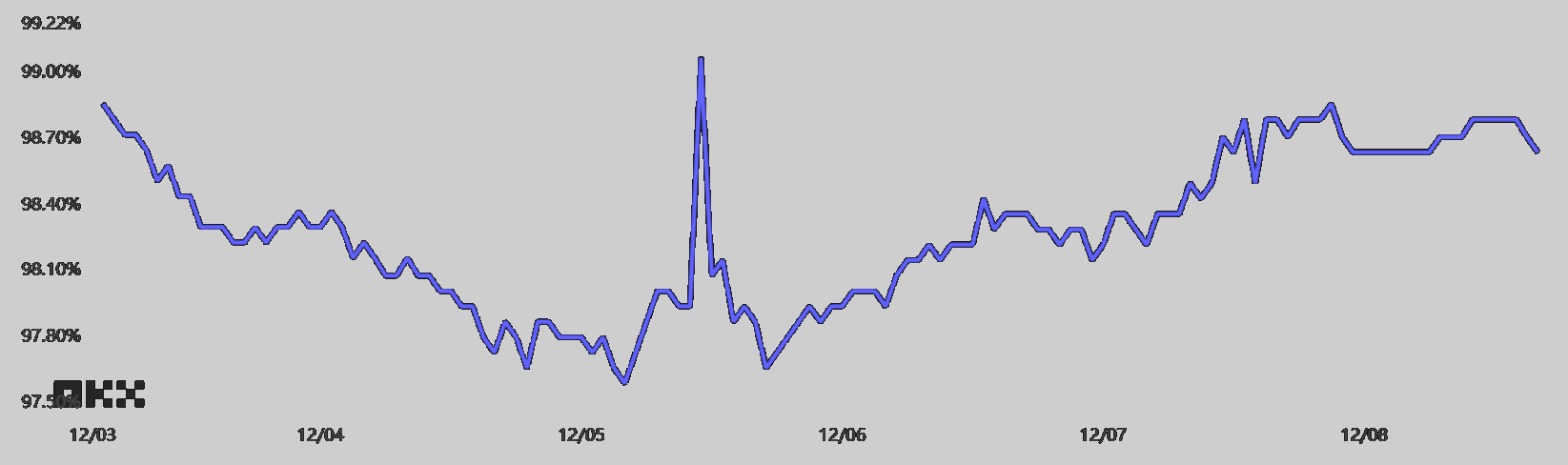
Under neutral conditions, Tether should trade at a 0.2% to 1% premium to the official USD exchange rate to offset cross-border friction, regulatory hurdles, and associated costs. A discount to the official rate indicates strong demand to exit the crypto market, a pattern often seen during bear markets.
The lack of inflows into U.S. spot Bitcoin exchange-traded funds (ETFs) in recent weeks has also dampened demand for bullish exposure. Whether Bitcoin can touch $100,000 in the short term largely depends on improved visibility into the U.S. job market and real estate conditions, which may take longer to materialize than a single Fed decision.
This article is for informational purposes only and should not be considered legal or investment advice. The views, thoughts, and opinions expressed here are the author's alone and do not necessarily reflect or represent the views and opinions of Cointelegraph.
Related Recommendation: Paradigm: Polymarket Trading Data Double-Counted
This article does not contain investment advice or recommendations. Every investment and trading move involves risk, and readers should conduct their own research when making a decision. Although we strive to provide accurate and timely information, Cointelegraph does not guarantee the accuracy, completeness, or reliability of any information in this article. This article may contain forward-looking statements that are subject to risks and uncertainties. Cointelegraph shall not be liable for any loss or damage arising from your reliance on this information.